
Water Crisis Forces a Reckoning in Hot Sulphur Springs, CO
Wastewater
In spring 2024, Hot Sulphur Springs, CO’s water treatment system faltered as snowmelt from fire-scarred watersheds overwhelmed its defenses. The sediment-laden water clogged intake systems and damaged treatment membranes, triggering an emergency that struck at the heart of a small community renowned for its mineral-rich springs—threatening both its heritage and its future.
Located between Winter Park’s ski resort and Kremmling’s ranches, this town of 750 serves as Grand County’s seat—a place where judges and sheriffs live alongside retirees and low-income workers, most commuting to jobs in nearby towns. Like many mountain communities, its infrastructure is buckling under the pressure of unpredictable weather patterns, rising costs and staff shortages.
A fragile system
Sara Everhart, a Rural Development Specialist with Rural Community Assistance Corporation (RCAC), arrived under an EPA Wastewater Treatment Works contract (2023-26) to find a water system on the brink of failure. An unusually heavy spring runoff had overwhelmed the aging intake system, causing dangerous spikes in turbidity that threatened to compromise treatment membranes. The East Troublesome Fire had scarred the watershed in 2020, and now that debris-laden water was forcing the treatment system into a daily battle to maintain operations.
“The town was already in a state of emergency when I started working with them,” Everhart recalls. “They knew they needed to replace the intake system, but the question was how to pay for it.”
Officials scrambled for solutions, declaring an emergency and renting temporary filtration equipment at $20,000, with operating expenses reaching $1,000 per day—a major burden for such a small community. A permanent fix was estimated at $300,000, but supply chain issues and rising material costs made long-term planning nearly impossible.
Unequal burdens
One of the town’s biggest issues was how it charged for water. Hot Sulphur Springs relied on a Single Family Equivalent model, which based billing on estimated household units rather than actual usage. This meant an apartment building with 10 units paid 10 base rates, while the hot springs resort—consuming 30% of the town’s water—paid for only 13%.
The town’s demographic makeup also muddied the picture. While the community included a handful of affluent residents, most households struggled to make ends meet. This disparity proved costly: the higher-income households pushed up the town’s median income on paper, disqualifying the community from grants that could have provided much-needed financial relief.
“The rate structure wasn’t just unfair—it was unsustainable and blocked us from securing funding for critical repairs,” Everhart explained.
To address these challenges, Everhart conducted comprehensive rate studies for both water systems. The solution was, in large part, just common sense: transition to usage-based billing, tying costs directly to consumption and meter size. But the proposed change proved difficult. During one tense community workshop, a resort owner demanded to know her new bill, voicing the anxiety of businesses facing up to 150% rate increases. Everhart walked residents through various scenarios, including a phased approach to ease the transition.
The turning point came when usage data replaced guesswork. With actual consumption numbers in hand, residents could see exactly how much water they used—and why the old billing system had utterly failed the community.
Building a path forward
While Everhart gathered financial data, the town cycled through two clerks and two water system operators. “You work with one person to get information,” she says, “then they leave, and you’re starting over with someone who doesn’t even know where to find the budget.”
But the rate structure was only part of the equation. Everhart worked with Colorado’s Department of Local Affairs to develop a resource roadmap, a long-term plan that would make Hot Sulphur Springs more competitive for state and federal infrastructure grants.
“They realized they needed to raise rates to be eligible for grants,” Everhart said. With the roadmap in place and RCAC’s rate study complete, the town hopes to be ready for future rounds of state revolving fund grants—a crucial step toward replacing its outdated intake system and readying its infrastructure for the future.
Determination to thrive
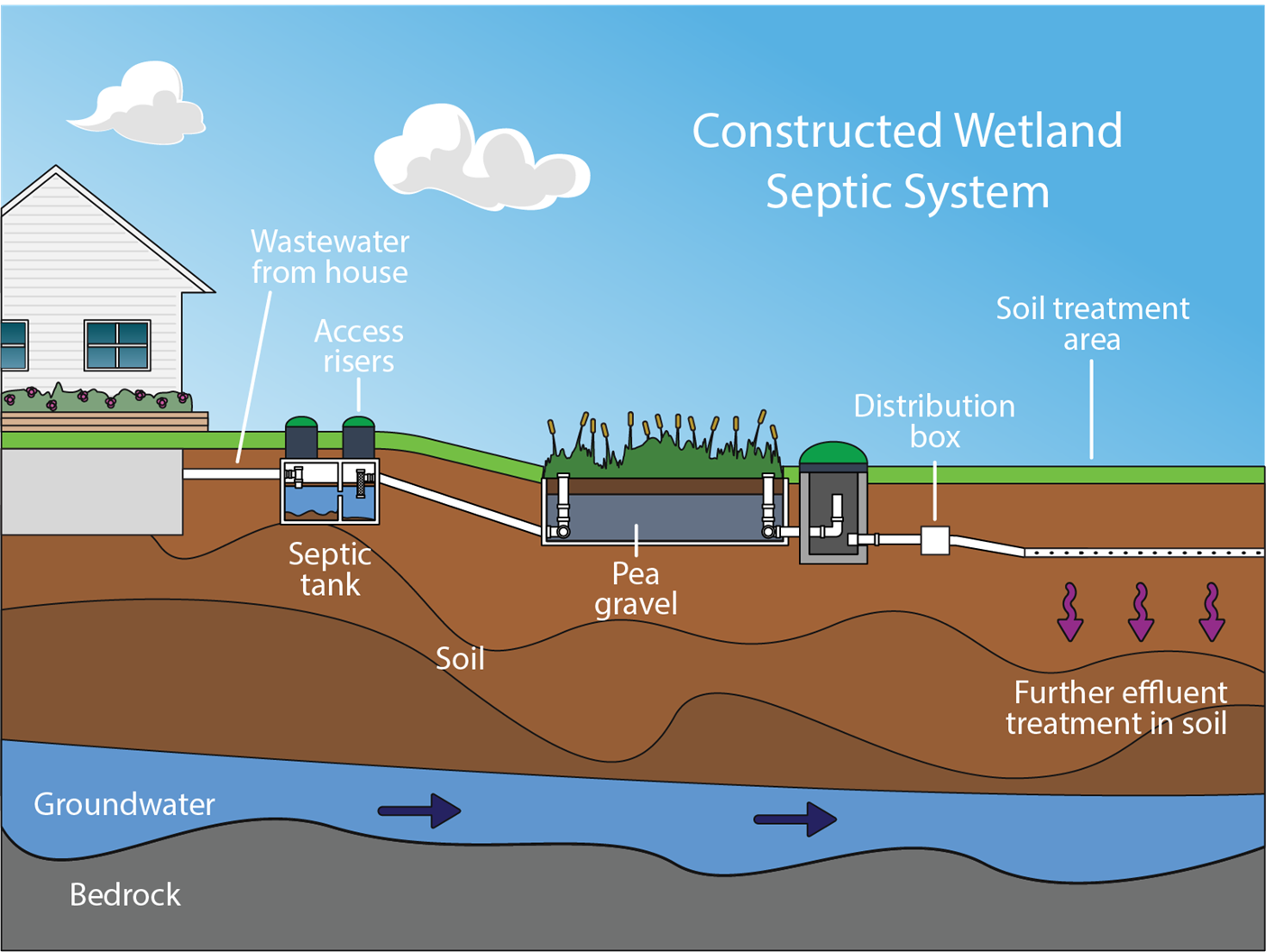
Challenges remain. The town’s wastewater lagoon liner is failing, and a full system upgrade is needed to meet new regulations. Each year of delay adds costs, making progress in a race against inflation.
Yet Everhart believes the town has an advantage: a strong sense of community and a commitment to survival. “Their biggest strength is how much they like where they live,” she says. “They’re small, remote, and it’s very cold in the winter. But they really want to be there.”
As Hot Sulphur Springs finalizes funding applications, its experience offers a lesson for other rural communities facing similar water crises: plan ahead, build reserves, and ensure critical knowledge isn’t lost during staff transitions. For countless towns across rural America, survival isn’t just about patching up busted pipes—it’s about creating a sustainable future in an unpredictable world.
This article was funded under RCAP’s EPA TW 5 2023 – 2026 grant.