

Reviving Rural Infrastructure: College Springs’ Path to Sustainable Wastewater Management
Wastewater
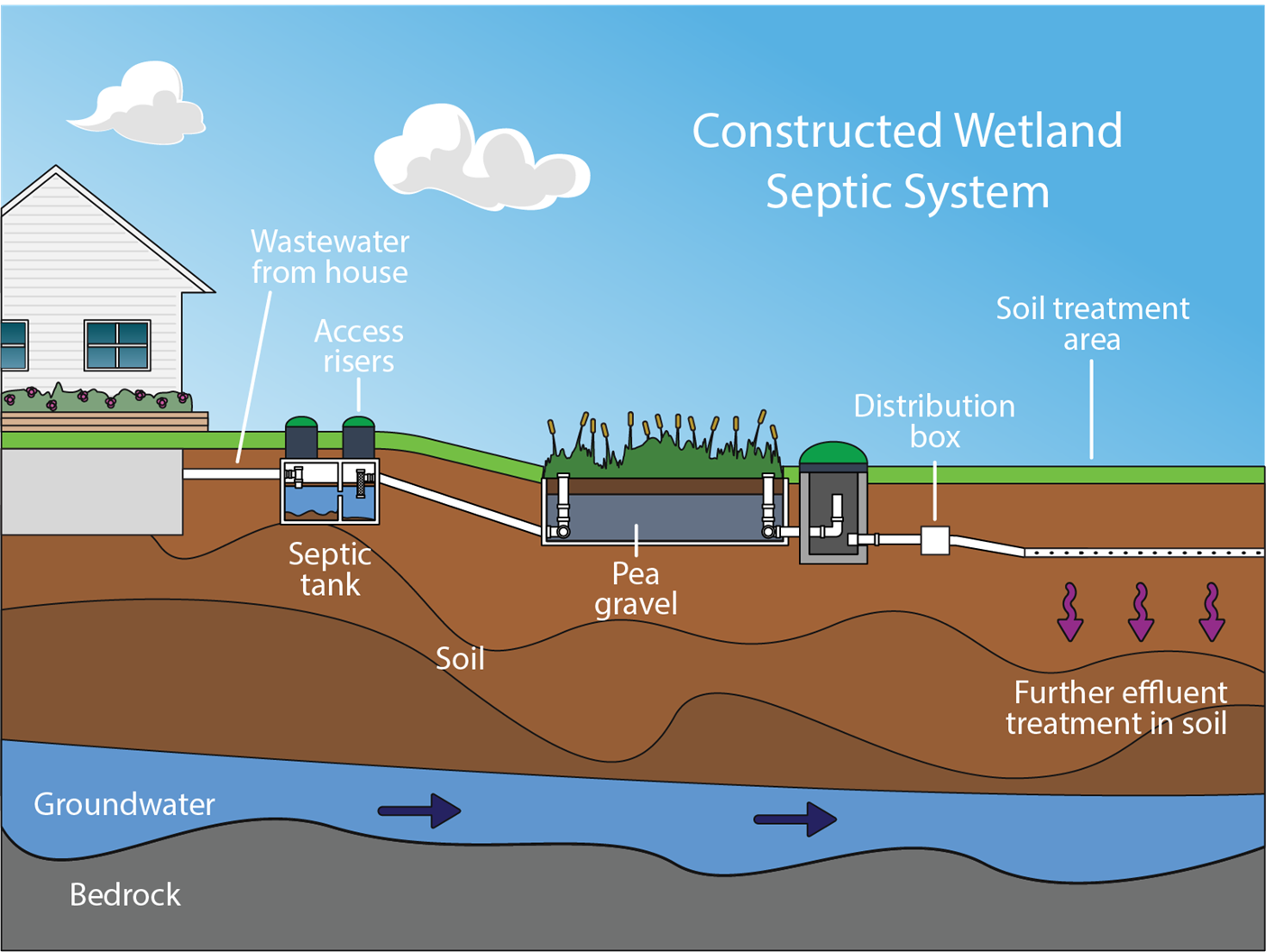
In the heart of Amity Township, nestled within Page County, Iowa, lies the small but resilient community of College Springs. With a population of just 214 people, this town faces a challenge that is increasingly common in rural America: aging infrastructure and the absence of a long-term plan to maintain it. At the center of this issue is the city’s decentralized wastewater system—an unusual setup where each household has its own septic system, yet all are owned and maintained by the city.
This decentralized model, while offering flexibility and independence, has proven difficult to manage without a structured maintenance plan. Over the years, no formal asset inventory was created, no inspection strategy was implemented, and no budget was allocated for repairs. By the spring of 2024, College Springs found itself grappling with failing infrastructure, a lack of historical documentation, and no roadmap for future sustainability.
The Turning Point
Recognizing the urgency of the situation, the City of College Springs reached out to the Midwest Assistance Program, Inc. (MAP), who is dedicated to helping rural communities improve their essential services. MAP quickly mobilized resources and brought in Community Engineering Corps (CECorps), another nonprofit agency known for its collaborative approach to engineering and infrastructure support.
CECorps is composed of professionals from the American Water Works Association, Her2O, and Engineers Without Borders. Their mission is to provide engineering services to underserved communities, often at no cost. For College Springs, CECorps began drafting a comprehensive engineering report that would serve as the foundation for a new asset management plan. This report includes a detailed inspection strategy and a budget framework for necessary repairs and upgrades.
Building a Sustainable Future
Once CECorps completes its engineering report, MAP will take the lead in implementing the asset management plan. This phase involves identifying every septic unit in the city, assessing its condition, and creating a schedule for routine maintenance and future repairs. Importantly, the plan will also serve as a historical record—an invaluable resource for new city employees and council members who need to understand the system’s evolution and current status.
In addition to infrastructure planning, MAP will conduct a wastewater rate study. This study will help the city establish a fair and sustainable rate structure that allows for the accumulation of funds dedicated to system upkeep. By setting aside resources proactively, College Springs can avoid future emergencies and ensure that its wastewater system remains functional and safe for generations to come.
Why It Matters
The story of College Springs is not just about fixing septic tanks—it’s about resilience, foresight, and community trust. Every day that a community delays maintaining its sewer systems, it risks contaminating its water supply, wasting energy, and missing a critical opportunity to build climate-resilient infrastructure. In rural areas, where resources are limited and populations are small, these risks are magnified.
College Springs’ proactive approach, supported by MAP, demonstrates how small towns can take control of their infrastructure challenges. By investing in planning, inspection, and financial sustainability, the city is laying the groundwork for long-term viability. Moreover, these efforts help restore public confidence in local leadership, showing residents that their elected officials are committed to protecting public health and the environment.
A Model for Other Communities
While College Springs is unique in its decentralized system, its challenges are shared by many rural communities across the United States. The lack of maintenance plans, asset inventories, and funding mechanisms is a widespread issue. The partnership between MAP and the City of College Springs offers a replicable model for other towns facing similar problems.
This initiative highlights the importance of collaboration between nonprofits, engineers, and local governments. It also underscores the value of technical assistance programs that empower communities to take ownership of their infrastructure. With the right support and planning, even the smallest towns can build systems that are safe, efficient, and sustainable.
Conclusion
College Springs is on the path to transformation. Through strategic partnerships and a commitment to long-term planning, the city is turning a crisis into an opportunity. The work being done today will not only improve wastewater management but also strengthen the community’s resilience and trust in its leadership. As rural America continues to face infrastructure challenges, College Springs stands as a beacon of what’s possible when communities come together to invest in their future.
This article was funded under RCAP’s EPA NPA 2 Wastewater 2023-2025 grant.