
Our Mission
RCAP works with rural communities across the country to elevate rural voices and build local capacity to improve quality of life, starting at the tap.
Our Vision
A resilient, equitable, and thriving rural America.
About RCAP
The Rural Community Assistance Partnership (RCAP) is a national network of nonprofit partners working to provide technical assistance, training, resources, and support to rural communities across every state, the U.S. territories, and tribal lands. Through RCAP’s regional partners, more than 400 technical assistance providers (TAPs) build long-term, trusted relationships with thousands of communities across the country.

Communities Unlimited (CU) – The Southern RCAP
Serving Alabama, Arkansas, Louisiana, Mississippi, Oklahoma, Tennessee, and Texas
Great Lakes Community Action Partnership (GLCAP) – The Great Lakes RCAP
Serving Illinois, Indiana, Kentucky, Michigan, Ohio, West Virginia, and Wisconsin.
Midwest Assistance Program, Inc. – The Midwest RCAP
Serving Iowa, Kansas, Minnesota, Missouri, Montana, Nebraska, North Dakota, South Dakota, and Wyoming.
Rural Community Assistance Corporation (RCAC) – The Western RCAP
Serving Alaska, Arizona, California, Colorado, Hawaii, Idaho, Nevada, New Mexico, Oregon, Utah, and Washington.
RCAP Solutions (RSOL) – The Northeastern and Caribbean RCAP
Serving all six New England States, New York, New Jersey, Pennsylvania, Puerto Rico and the U.S. Virgin Islands
Southeast Rural Community Assistance Partnership (SERCAP) – The Southeastern RCAP
Serving Delaware, Florida, Georgia, Maryland, North Carolina, South Carolina, and Virginia.
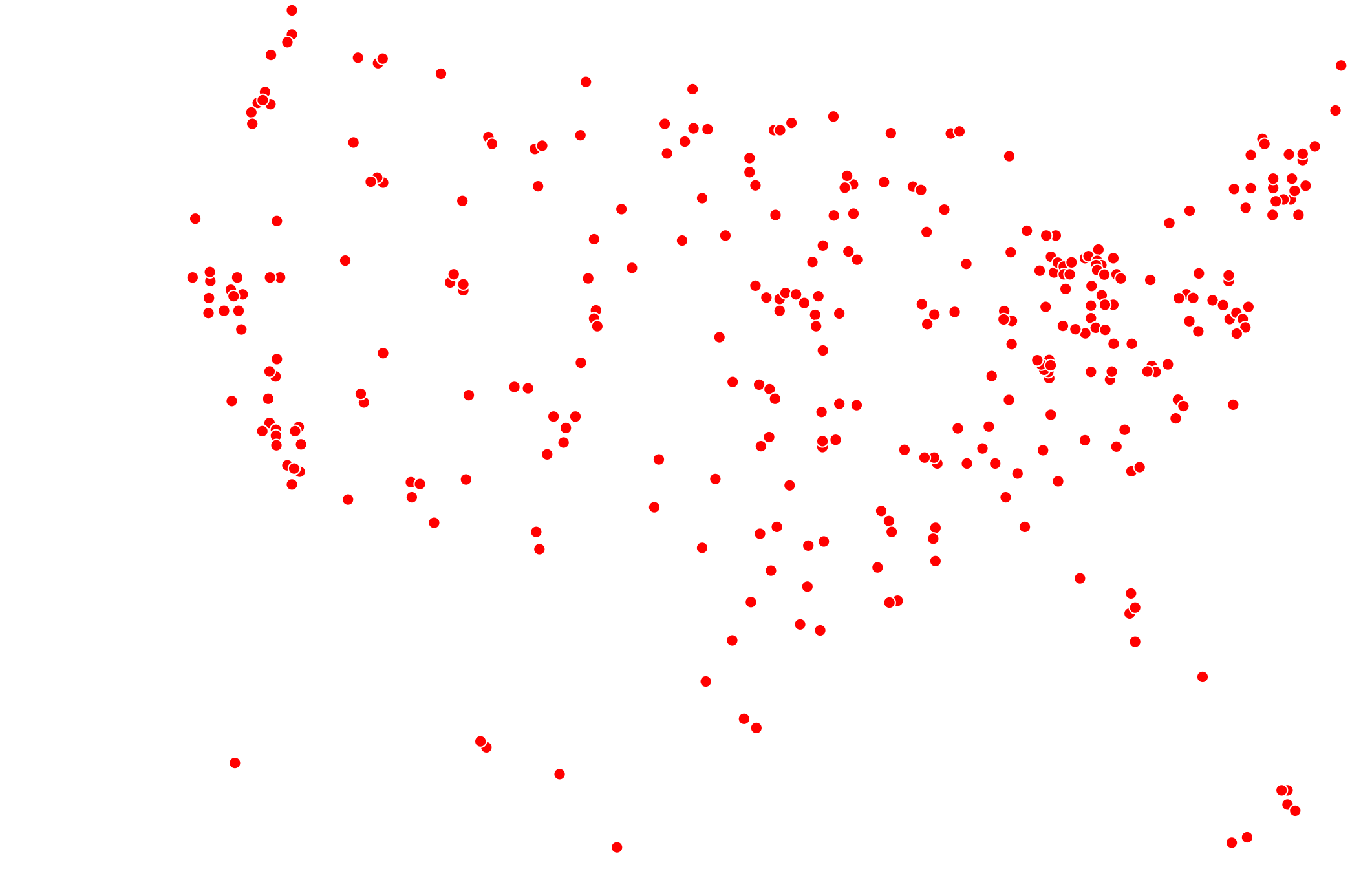
Communities Unlimited (CU) – The Southern RCAP
Serving Alabama, Arkansas, Louisiana, Mississippi, Oklahoma, Tennessee, and Texas
Great Lakes Community Action Partnership (GLCAP) – The Great Lakes RCAP
Serving Illinois, Indiana, Kentucky, Michigan, Ohio, West Virginia, and Wisconsin.
Midwest Assistance Program, Inc. – The Midwest RCAP
Serving Iowa, Kansas, Minnesota, Missouri, Montana, Nebraska, North Dakota, South Dakota, and Wyoming.
Rural Community Assistance Corporation (RCAC) – The Western RCAP
Serving Alaska, Arizona, California, Colorado, Hawaii, Idaho, Nevada, New Mexico, Oregon, Utah, and Washington.
RCAP Solutions (RSOL) – The Northeastern and Caribbean RCAP
Serving all six New England States, New York, New Jersey, Pennsylvania, Puerto Rico and the U.S. Virgin Islands
Southeast Rural Community Assistance Partnership (SERCAP) – The Southeastern RCAP
Serving Delaware, Florida, Georgia, Maryland, North Carolina, South Carolina, and Virginia.
The People Behind RCAP
Across the backroads, small towns, and rural landscapes of America, you’ll find our people — not tucked away in offices, but out there in the field, rolling up their sleeves and working side by side with the communities they serve.
RCAP is made up of people who care — deeply. We come from many different backgrounds, cultures, and corners of the country. Some of us grew up on farms, others in small towns, others in big cities who found their way back to the land. What we share is a calling: to make sure every community, no matter how small or remote, has the tools, resources, and support it needs to thrive.
We are engineers, educators, advocates, planners, and problem-solvers — but more than that, we’re listeners. We believe that the best solutions come from the people who live them every day. That’s why we don’t just consult; we connect. We listen to stories around kitchen tables and town halls, we walk the land, we learn from the people who know it best.
Our diversity is our strength. Every member of our team brings their own experience, expertise, and heart to the work. Together, we form a tapestry of perspectives that makes RCAP what it is — a national network powered by human connection.
Because in the end, this isn’t just about water systems or infrastructure. It’s about people — about dignity, opportunity, and the belief that every community deserves to flourish.
"RCAP’s grassroots work through its network of regional partners is vital for these often overlooked communities and the families that live there."
– Chris Long, Founder, The Chris Long Foundation